

There are a lot of opportunities to benefit the birds in your neighborhood. Here are some basic principles, focusing on habitat, bird feeders, and bird houses and nesting. I focus on the Pacific Northwest, but this can be generally applied elsewhere.
Habitat
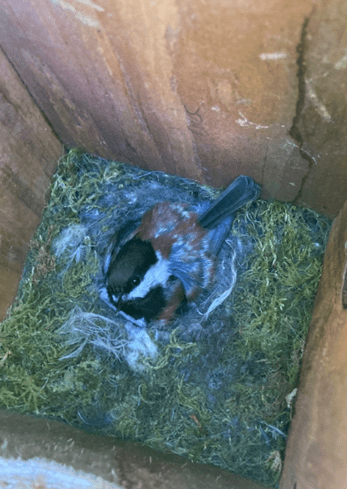
Plant native trees! Chickadee parents need 6,000 moth caterpillars to raise a nest of chicks. They only get them from native trees – mostly alders, willows, birch, and bitter cherry. All this said, most non-native plants at least offer cover (e.g. Himalayan blackberries) and some offer berries that birds like (e.g. cotoneaster, mountain ash). Birds Connect Seattle offers some great guidance regarding planting for birds.
Be careful mowing, weeding, and doing yardwork April thru July. There may be towhees, juncos, and Song Sparrows nesting on the ground. I nearly decapitated baby towhees once. They were in a little clump of grass I let grow because my push mower couldn’t get there. Then one day I got out the weed whacker. I hear similar stories from people every year. They were pruning, mowing, clearing brush, moving a wood pile (with a wren nest) etc. and came upon an active nest.
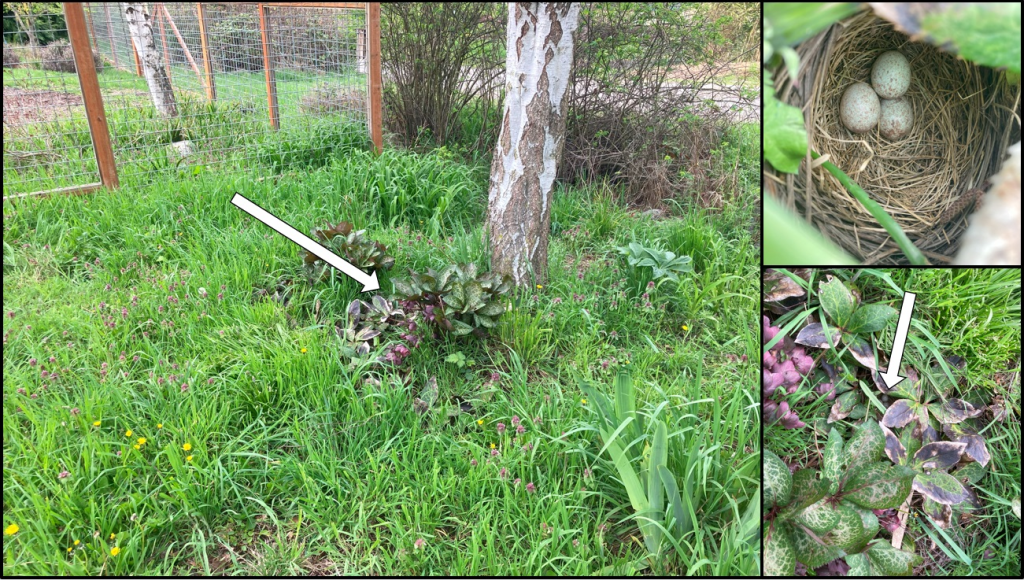
Better yet, leave some unkempt corners of your yard. The birds will use it. Some species even like being near human traffic – it protects them from other predators. Just don’t become an accidental predator! Usually the birds will let you know you are too close by constant calling.
Bird Feeding
Bird feeding is a great way to connect with birds and get to know them. I feed birds, especially in winter. But there are some do’s and don’ts.
First, try to avoid feeding House Sparrows, European Starlings, Brown-headed Cowbirds, and large numbers of corvids (e.g. jays and crows). The first two are invasive and introduced, and are widely known to displace native cavity-nesting birds, such as chickadees, wrens, nuthatches, and swallows. Cowbirds are native to the Great Plains, but invasive in the PNW. Their numbers are artificially augmented by human habitat destruction. They are known to displace a wide variety of native birds.
Finally, those colorful jays and clever crows are fierce nest predators, especially of cup nesters, such as robins, goldfinches, warblers, flycatchers, vireos, tanagers, and grosbeaks. Studies show that, where jays and crows are fed – and they are especially attracted to peanuts – other cup-nesting birds struggle to reproduce. In one study, the neighborhood robins suffered 99% nest failure where corvids were fed. I have a post focused on this: The maddening truth: Feeding crows and jays harms other birds. PLEASE DO NOT OFFER PEANUTS.
To avoid these undesirable outcomes, I never use peanuts and I only put out seed in winter – September thru March, when the junco horde and Golden-crowned Sparrows are here. I also avoid suet with peanuts. In summer, I restrict my bird feeding to just the hummingbird feeders and maybe some suet (though that can attract starlings).
The highlight of my yard birding, however, is not the feeders — it’s my little fountain and pond. It runs year-round and attracts all the feeder birds, plus migrating insectivores: kinglets, warblers, vireos, tanagers, and thrushes. I created a post on how to create a great water feature for less than $100: My backyard fountain and the birds that come to it.

Bird feeding concentrates birds, especially in winter. This can spread avian diseases. Common indicators of disease in the PNW are a House Finch with a growth around its eye or a siskin you can walk up to and pick up. If you see these things, take down your feeders immediately and wait at least two weeks.
Another potential concern with bird feeding is window strikes. The most important thing is feeder location. If goldfinches are hitting your window, the feeder is too close. Much has been written about how to address this problem, so I won’t go into it here. Hawk decals and plastic owls don’t work. The little dots apparently do. Here’s what I did when I had this problem at my previous home – mylar ribbons.
Bird houses
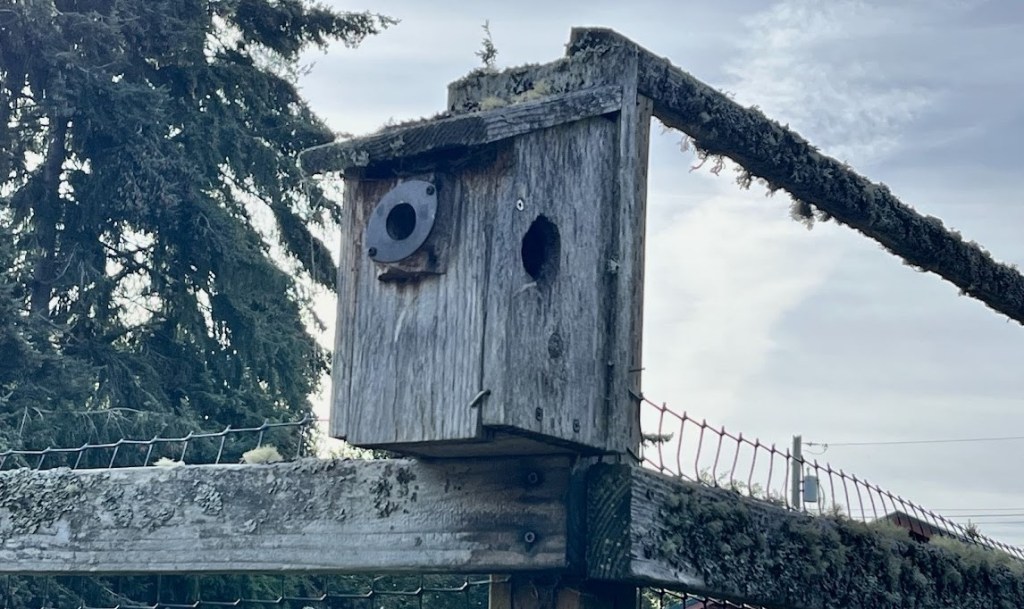
In the PNW, bird houses will be used by the cavity-nesting birds I mentioned above: chickadees, wrens, nuthatches, and swallows. Again, there are some do’s and don’ts.

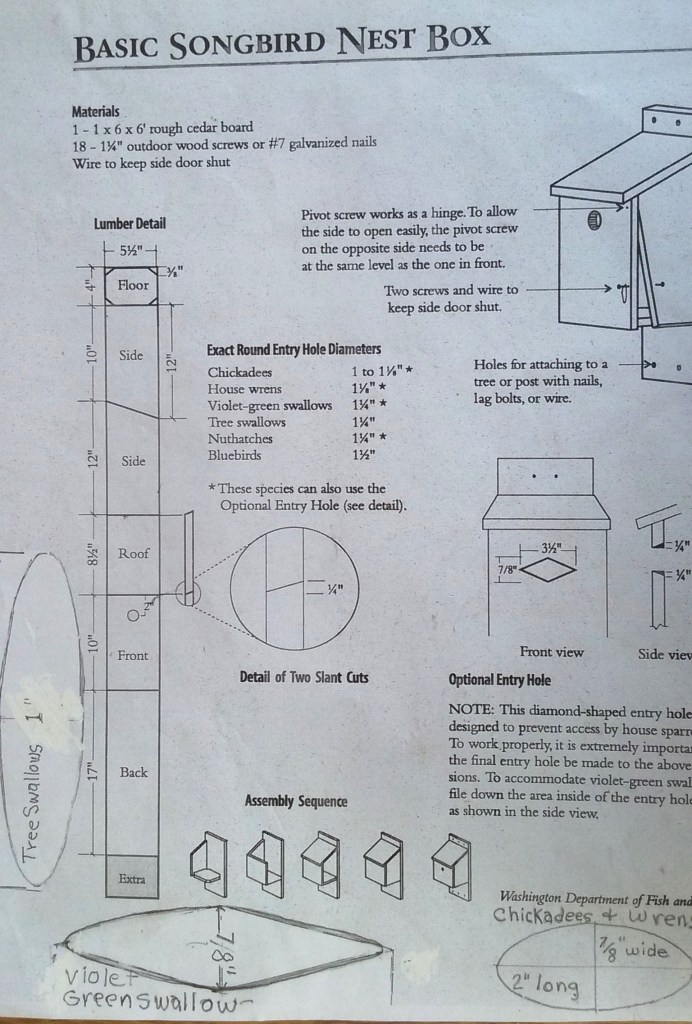
First, nest hole size and design is critical. Way too many backyard bird houses inadvertently raise House Sparrows, causing more harm than good to the local bird community. That’s because the entrance holes are too big. A hole more than 1 1/8″ in diameter is too big. These House Sparrows then go on to kill the eggs, babies, and even adults of native birds. PLEASE DO NOT RAISE HOUSE SPARROWS. Monitor the box and remove House Sparrow nests if you see them forming (theirs are real messy, with dry straw sticking every which way).
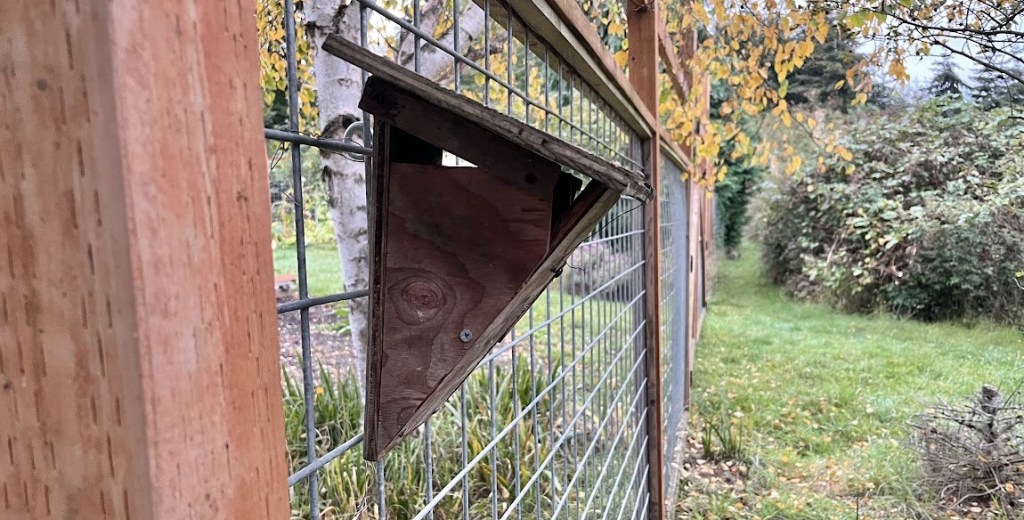
It is highly recommended to put nest boxes in shade, especially afternoon shade, to protect it from heat. Heat waves kill chicks. For swallows, they like open areas, so sometimes shade is not available. In that case, you can put heat shields on the boxes. See Mel Hafting’s post here about that (scroll down below the Purple Martin section).


If you have questions, put them in the comments below and I’ll answer.
 The Cottonwood Post